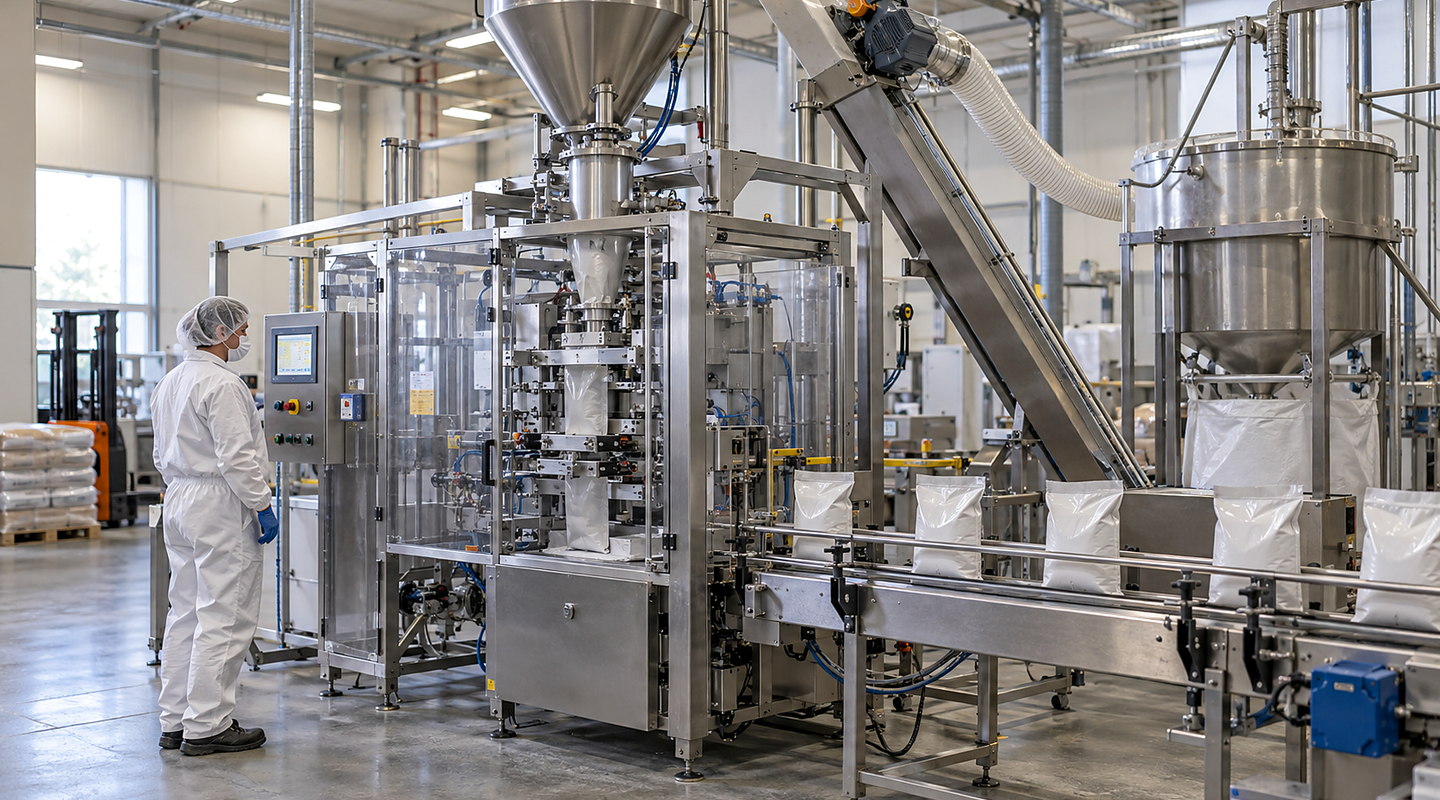
Tablet Counting Fillers: How the Process Works
Follow the operating sequence for tablet counting fillers, from preparing the input and controlling the main task to handling exceptions and checking results.
Review the tablet range, target count and bottle openings together, then trial feeding, counting and bottle transfer as one sequence. Include incomplete fills, broken product and an interrupted cycle before agreeing release checks. Use the acceptance-test guide to define the evidence.
For your application, the important details include tablet counting into bottles product behaviour, container, bag or pack range, target dose, count or pack weight, and required output and production pattern.
Understand the complete route from input to accepted output — Tablet Counting Fillers
Plan tablet counting fillers around your product, pack range, target output, cleaning needs and finished-pack checks. Discuss a practical line concept with Lancing using representative samples. Follow the material or part through each operating step and include recovery, cleaning and change in the real cycle.
Discuss your application
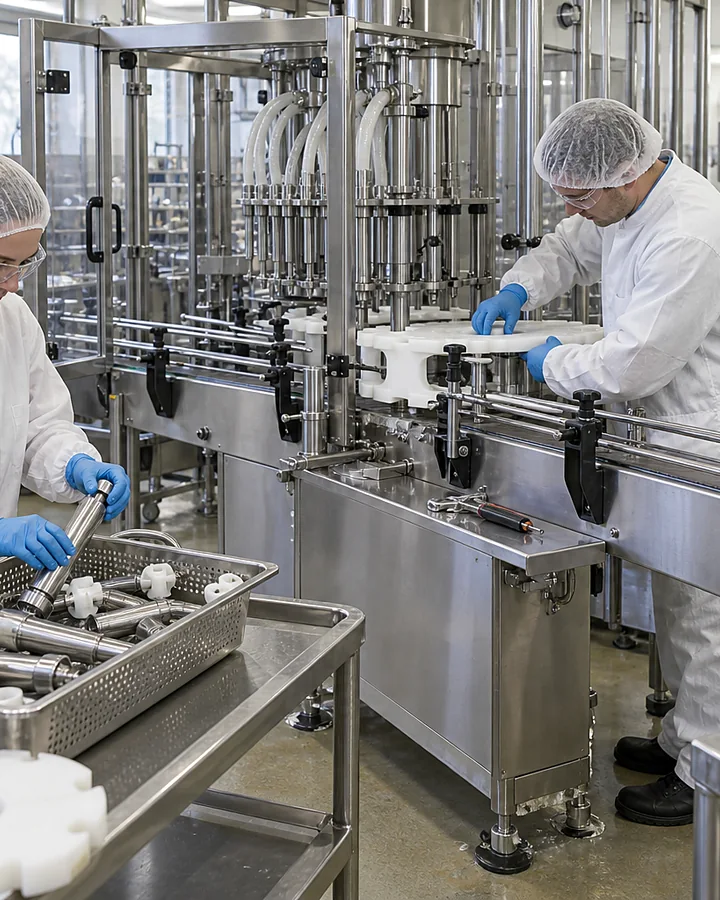
Four clear stages for tablet counting fillers
At each stage, you can review how tablet counting into bottles product behaviour and finished-pack checks and reject handling affect the next commitment.
- 01
Review Representative Product and Pack Samples
Identify the tablet size, colour and surface variations to be tried. Supply the intended bottles and opening details, the count range for each format and samples representing normal production.
- 02
Trial the Dosing, Handling or Closing Method
Compare feeding and counting options with the agreed tablet and bottle combinations. Record the filled-bottle result, incomplete fills and broken-product observations alongside the trial settings and conditions.
- 03
Integrate Infeed, Discharge, Controls and Access
Define where bottles arrive, receive tablets and transfer onwards. Agree readiness, stop and restart responsibilities with the surrounding line, including the treatment of a bottle interrupted during filling.
- 04
Run Agreed Production and Changeover Checks
Run the agreed production and format-change sequence, including replenishment, cleaning access and a controlled interruption. Record count checks, the disposition of uncertain bottles and the actions needed before handover.
Decisions and results stay connected
| Stage | What happens | What you can review |
|---|---|---|
| Review Representative Product and Pack Samples | Define the tablet variants, bottle formats and count range to include. | A labelled sample list, bottle-opening details and a tablet/bottle/count matrix, with untested combinations identified. |
| Trial the Dosing, Handling or Closing Method | Observe feeding, counting and transfer with the agreed combinations. | Trial settings, sample conditions, filled-bottle count checks and separate incomplete-fill or broken-product observations. |
| Integrate Infeed, Discharge, Controls and Access | Agree bottle handover points and the operating and recovery sequence. | The line layout, readiness and stop responsibilities, access needs and the agreed treatment of a bottle left in process. |
| Run Agreed Production and Changeover Checks | Demonstrate the agreed normal run, changeover and interruption cases. | Accepted finished bottles over a stated trial period, first-bottle checks after changes, unresolved actions and operating information. |
Keep connected responsibilities clear
Your final tablet counting fillers scope must also account for cleaning, access and changeover method, finished-pack checks and reject handling, current regulations and the conditions at your site.
- The selected method must be trialled with representative product and packaging.
- Supplier tolerances and product-condition changes can alter handling or fill behaviour.
- Equipment selection does not replace product, hygiene, packaging or regulatory validation.