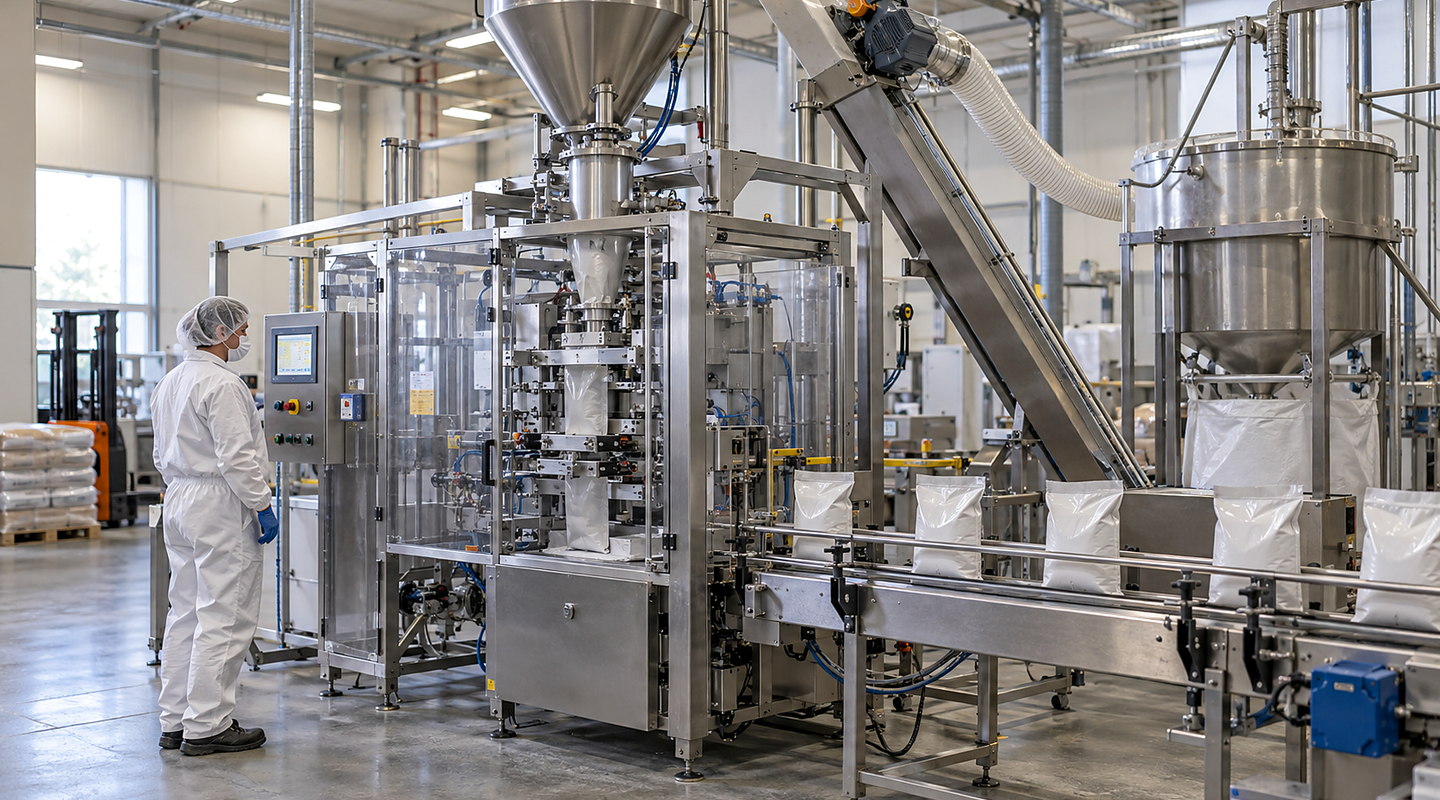
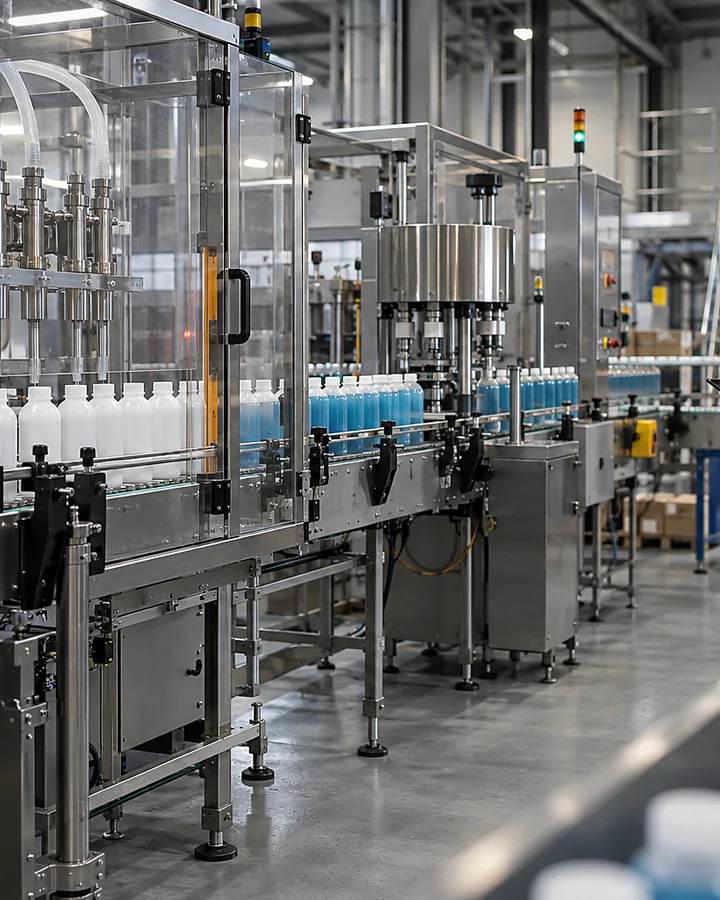
Routine Production Using Tablet Counting Into Bottles
Plan routine production using tablet counting into bottles around representative products, packs and packaging materials, line connections, operating limits, acceptance checks and next steps.
In brief
For routine tablet counting into bottles, define the tablet variants, bottle formats and counts that will run together, then test the complete feeding, counting and transfer sequence. Record accepted finished bottles, interruptions and incomplete-fill or broken-product observations using an agreed acceptance plan.
Plan tablet counting fillers around your product, pack range, target output, cleaning needs and finished-pack checks. Discuss a practical line concept with Lancing using representative samples.
On the production floor
Plan for the conditions your team handles every day — Tablet Counting Fillers
Plan tablet counting fillers around your product, pack range, target output, cleaning needs and finished-pack checks. Discuss a practical line concept with Lancing using representative samples. For routine production using tablet counting into bottles, the deciding details include tablet counting into bottles product behaviour, target dose, count or pack weight and finished-pack checks and reject handling.
Details worth resolving early for routine production using tablet counting into bottles
Question 1
Tablet Counting Into Bottles Product Behaviour
Use tablet samples representing normal size, colour and surface variation across the production range. Keep the sample identity with the trial results and distinguish agreed broken-product challenges from acceptable material.
Question 2
Container, Bag or Pack Range
Define the bottle formats and opening details used on the line. Observe arrival, filling and onward transfer together, including the practical effect of a short downstream stop.
Question 3
Target Dose, Count or Pack Weight
List the required tablet count for each product and bottle format. Agree how filled-bottle counts will be checked and how uncertain results will be held for a decision rather than assuming they can be released.
Question 4
Required Output and Production Pattern
State the required accepted finished-bottle output and the period over which it will be assessed. Include replenishment, planned checks and normal stops so a fast counting step is not mistaken for the complete production rate.
Question 5
Cleaning, Access and Changeover Method
Describe the cleaning, access and changeover tasks used between the stated tablet and bottle formats. Record who confirms the setup and which first-bottle checks are needed before routine production resumes.
Question 6
Finished-Pack Checks and Reject Handling
Agree and document incomplete-fill, broken-product and interrupted-cycle cases. Define the expected response, safe intervention method and responsibility for checking bottles still in process after a stop.
Your operating cycle
Plan for more than automatic running
Include replenishment, normal production, planned change, short stops, fault recovery, cleaning and maintenance for routine production using tablet counting into bottles. A fast automatic step can still leave your team with a slow or awkward overall process.
Normal production and variant changes
Replenishment and material presentation
Operator access and safe interventions
Cleaning, maintenance and recovery
Prove the result
Test routine production using tablet counting into bottles against representative products, packs and difficult production conditions
Normal production
Run the agreed tablet/bottle/count combinations through feeding, counting and transfer at the intended production pattern. Record accepted finished-bottle output and the checks or stops included in the trial period.
Difficult conditions
Include the difficult combinations within the agreed range, such as normal tablet variation with the most demanding bottle opening or count setting. Keep observations and any excluded combinations in the test record.
Fault and recovery
Use approved incomplete-fill, broken-product and interrupted-cycle challenges to review the proposed response and controlled restart. Record what was observed, which bottles need a decision and any function still requiring confirmation.
Important limits
Be clear about what the trial has shown
The selected method must be trialled with representative product and packaging.
Supplier tolerances and product-condition changes can alter handling or fill behaviour.
Equipment selection does not replace product, hygiene, packaging or regulatory validation.